
Health
Erectn Guide: Physiology, Issues, and Modern Solutions

Introduction to the Erectn
Erectn is a topic that often dances around the edges of conversation, shrouded in both intrigue and stigma. Yet, it plays a crucial role in men’s health and overall well-being. Understanding how erections occur can demystify their complexities and help men navigate challenges more effectively.
Whether you’re curious about the biological mechanics at play or seeking solutions for common issues, this guide will shed light on everything related to erectn. From anatomy to mental health’s impact on sexual function, we’ll explore key aspects that contribute to a fulfilling intimate life. Join us as we break down barriers and provide insights into maintaining healthy erections through both traditional methods and modern innovations. Let’s dive right in!
The Basic Anatomy of an Erection
Understanding the basic anatomy of an erection is crucial for grasping how this complex process works. The process of an erection starts in the brain when arousal sends a chain of stimulating signals.
These signals prompt blood vessels to relax and open up. This process increases blood circulation into the penis. The spongy tissues within it called corpora cavernosa—expand as they fill with blood. This expansion leads to increased pressure, causing the penis to stiffen.
At full erection, compression occurs in nearby veins, restricting blood flow out of the penis. This intricate balance keeps erections firm for sexual activity. Factors like nerves and hormones play essential roles too.
Any disruption in this delicate system can lead to issues with erectile function. Understanding these anatomical elements helps demystify what happens during an erection and why certain problems may arise.
Common Erection Issues and Their Causes
Erection issues can arise from various factors, affecting men of all ages. One common problem is erectile dysfunction (ED), which often stems from physical or psychological causes.
Physical health plays a significant role. Conditions like diabetes, heart disease, and obesity can hinder blood flow to the penis, making it difficult to achieve an erection. Disruptions in hormone levels, especially reduced testosterone, can play a role in erectile issues.
On the psychological side, stress and anxiety are frequent culprits. Performance pressure during intimate moments can create a vicious cycle of fear and disappointment.
Lifestyle choices cannot be overlooked either. Smoking and excessive alcohol consumption impact circulation negatively. Poor diet and lack of exercise exacerbate these problems further.
Recognizing the underlying causes is essential for effective treatment options tailored to individual needs. Understanding these issues allows for better communication with healthcare providers about available solutions.
Traditional Solutions for Erectile Dysfunction
When it comes to traditional solutions for erectile dysfunction, a few methods have stood the test of time. Medications like Viagra and Cialis have become household names. They work by increasing blood flow to the penis, helping men achieve an erection.
Herbal remedies also play a role in many cultures. Ginseng and yohimbine are popular choices that some swear by. These natural options claim to enhance libido and improve sexual performance.
For others, lifestyle changes can bring significant improvement. Regular exercise, a balanced diet, and quitting smoking often yield positive results.
Therapy or counseling is another classic approach addressing emotional factors related to erectile dysfunction. Stress or anxiety can deeply impact performance, making these sessions valuable for many couples seeking support together.
While these traditional methods offer hope, they may not be suitable for everyone. Reviewing every possible option is essential before choosing the most suitable solution.
Modern Solutions for Erectile Dysfunction
Modern solutions for erectile dysfunction have evolved significantly, offering various approaches tailored to individual needs. One of the most popular options is oral medication. Drugs like Viagra and Cialis work by enhancing blood flow, helping achieve an erection more easily.
Another innovative solution is vacuum erection devices (VEDs). Vacuum devices work by pulling blood into the penis, helping to achieve an erection. They can be especially useful for those who prefer non-invasive methods.
For men seeking longer-term results, penile implants are an option worth considering. These surgically placed devices provide a permanent solution for ED while allowing spontaneity in intimate moments.
Additionally, shockwave therapy has emerged as a cutting-edge treatment that uses acoustic waves to stimulate blood vessel growth and improve erectile function over time. Each modern approach offers unique benefits that cater to varying preferences and circumstances.
The Role of Mental Health in Erectile Function
Emotional well-being is deeply linked to maintaining healthy erectile performance. Emotional well-being directly impacts sexual performance and desire. Stress, anxiety, and depression can create barriers to intimacy.
When the mind is preoccupied with negative thoughts, physical responses may falter. This connection highlights how psychological factors influence physiological processes.
Men often feel pressure to perform, which can lead to a cycle of worry that exacerbates erectile issues. Simply worrying about performance can hinder the ability to get or sustain an erection.
Addressing mental health through therapy or counseling can be transformative. Techniques such as mindfulness and cognitive-behavioral strategies help reduce stress and improve self-confidence.
Open communication with partners also fosters understanding and support. Creating a safe space for discussion can relieve tension surrounding intimacy, paving the way for healthier erections over time.
Tips for Maintaining Healthy Erections
To maintain healthy erections, focus on a balanced diet rich in fruits, vegetables, and whole grains. Foods like nuts and dark chocolate can boost blood flow.
Regular exercise is crucial too.Try to include half an hour of moderate exercise in your daily routine on most days. This not only improves circulation but also boosts your confidence.
Hydration matters as well. Drinking enough water supports overall bodily functions, including sexual health.
Limit alcohol consumption and quit smoking if possible. Both habits can hinder erectile function over time.
Reduce stress by practicing mindfulness or engaging in enjoyable hobbies that uplift your mood. A relaxed mind contributes to better performance in the bedroom.
Prioritize sleep quality. Aim for 7–9 hours nightly to support hormonal balance and energy levels for a satisfying intimate life.
Conclusion
Understanding the complexities of erection is essential for both physical and emotional well-being. By recognizing the anatomy involved, you can appreciate how various factors influence erectile function. Common issues related to erections are often connected to lifestyle, health conditions, or psychological factors. Traditional solutions like medications have paved the way for many individuals seeking help.
However, modern approaches now offer a range of innovative therapies that go beyond pills. From vacuum devices to injections and even regenerative medicine techniques, there’s a growing array of options available at your disposal.
Mental health plays an undeniable role in this equation as stress and anxiety can significantly impact performance. Taking care of your emotional state is just as crucial as addressing physical symptoms.
For those looking to maintain healthy erections, adopting a balanced diet, exercising regularly, managing stress levels, and staying informed about sexual health can make all the difference. Being proactive about these aspects not only enhances sexual function but also contributes positively to overall quality of life.
Navigating through erection concerns may seem daunting at first glance; however, with awareness and access to numerous resources today both traditional and modern you’re better equipped than ever before to tackle these challenges head-on.
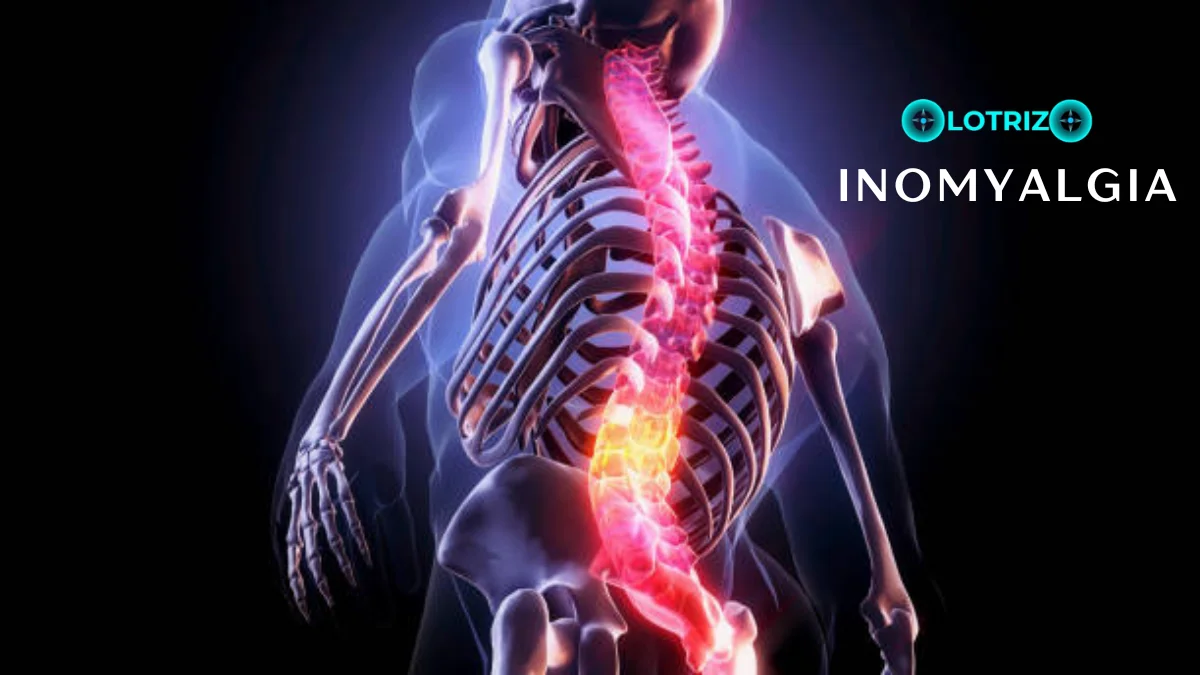
Inomyalgia is a condition that can turn everyday life into a challenging journey. This often misunderstood disorder affects many people, yet it remains shrouded in mystery for others. If you’ve been grappling with unexplained pain and fatigue, or if you’re just curious about what inomyalgia entails, you’re not alone.
This blog post aims to shed light on the symptoms and causes of inomyalgia while debunking common myths. We will explore various treatment options available today and discuss lifestyle changes that may help manage this complex condition more effectively. Whether you’re seeking information for yourself or someone close to you, understanding inomyalgia is the first step towards finding relief and improving quality of life. Let’s delve deeper into this topic together!
Understanding Inomyalgia
Inomyalgia is a chronic condition characterized by widespread muscle pain and fatigue. It can significantly impact daily activities, often leaving individuals feeling overwhelmed.
Unlike other ailments that have clear physical causes, inomyalgia’s origins remain elusive. Researchers believe it involves a complex interplay between genetics, environmental factors, and alterations in the brain’s pain processing mechanisms.
People with this condition frequently find themselves battling not only physical discomfort but also emotional challenges like anxiety or depression. The symptoms can fluctuate in intensity, making it difficult to predict how one will feel from day to day.
Understanding the nuances of inomyalgia is crucial for those affected. Recognizing its diverse manifestations allows patients and healthcare providers to approach treatment more effectively and compassionately. By fostering awareness around this condition, we can create better support systems for those living with its effects.
Common Symptoms of Inomyalgia
Inomyalgia manifests with a variety of symptoms that differ between individuals. The most common complaint is widespread pain. This discomfort often feels like an ache or stiffness in muscles and joints.
Fatigue is another significant symptom. Those affected may feel drained even after a full night’s sleep, impacting daily activities and productivity.
Cognitive difficulties, sometimes referred to as “fibro fog,” are also prevalent. Individuals might struggle with concentration, memory retention, and mental clarity.
Sleep disturbances frequently accompany these symptoms. Many report trouble falling asleep or staying asleep throughout the night.
Additionally, some people experience heightened sensitivity to touch, sound, or light. It can make ordinary environments overwhelming at times.
Headaches and migraines are not uncommon either; they can add yet another layer of complexity to managing this condition. Understanding these symptoms helps pave the way for better communication with healthcare providers about effective management strategies.
Causes of Inomyalgia
The exact causes of inomyalgia remain elusive. Researchers believe that a combination of factors may contribute to its onset. Genetic predisposition plays a role, as certain individuals may be more susceptible due to their family history.
Environmental triggers can also initiate symptoms. Chronic stress, infections, and physical trauma are often cited as potential catalysts for flare-ups. These external factors might interact with an individual’s biology, leading to the condition’s manifestation.
Additionally, abnormalities in the brain’s pain processing systems could heighten sensitivity to discomfort. This altered response makes even minor aches feel overwhelming at times.
Hormonal imbalances have also gained attention in recent studies. Fluctuations in hormones like cortisol and serotonin might influence how pain is perceived and managed within the body.
Understanding these potential causes provides valuable insight into managing this complex condition effectively.
Misconceptions and Myths about Inomyalgia
Inomyalgia is often misunderstood, leading to various misconceptions. One prevalent myth is that it only affects older adults. In fact, this condition can affect individuals at any age.
Another common belief is that inomyalgia is merely a result of stress or anxiety. While mental health can play a role, the causes are more complex and multifaceted than many realize.
Some think it’s an imaginary illness; however, research supports its existence as a legitimate medical condition with identifiable symptoms. This misconception can lead to invalidation from friends, family, or even healthcare professionals.
Many believe there’s no effective treatment for inomyalgia. Although managing it can be challenging, numerous therapies exist to help alleviate symptoms and improve quality of life.
These myths contribute to stigma around inomyalgia and hinder individuals from seeking support and understanding they truly need.
Treatment Options for Inomyalgia
Non-prescription pain medications such as ibuprofen or acetaminophen may provide relief from discomfort.
Lifestyle Changes to Manage Inomyalgia Symptoms
Managing inomyalgia symptoms often requires a holistic approach. Small daily changes can lead to significant improvements.
First, consider your diet. Incorporating anti-inflammatory foods like berries and leafy greens may help reduce discomfort. Staying hydrated is equally important; water plays a key role in muscle function.
Regular exercise can also be beneficial. Gentle activities such as yoga or swimming promote flexibility without overexerting yourself. Pay attention to your body and discover what methods suit you most effectively.
Sleep hygiene should not be overlooked either. Establishing a consistent sleep schedule helps combat fatigue associated with inomyalgia. Establish a soothing nighttime routine to promote deeper, more restful sleep.
Mindfulness practices like meditation can assist in managing stress levels, which might exacerbate symptoms. Prioritizing mental well-being complements physical health, creating a more balanced lifestyle overall.
Coping Strategies for Living with Inomyalgia
Living with inomyalgia can be challenging, but various coping strategies can help ease daily struggles.
First, consider maintaining a regular routine. Establishing consistent sleep and wake times can improve overall well-being.
Mindfulness practices like meditation or deep-breathing exercises provide mental clarity and reduce stress. Even a few minutes each day can make a difference.
Physical activity is essential too; gentle exercises such as yoga or walking enhance flexibility without overexertion. Pay attention to your body’s signals and avoid exceeding your personal limits.
Engagement in hobbies or creative outlets boosts mood and distracts from discomfort. Whether it’s painting, gardening, or reading find what brings you joy.
Connecting with support groups offers emotional relief. Sharing experiences with others facing similar challenges fosters understanding and companionship that is invaluable on this journey.
Conclusion
Inomyalgia is a multifaceted disorder impacting a wide range of people. Understanding its symptoms and causes is crucial for those who may be suffering from it. While misconceptions abound, it’s essential to rely on accurate information.
Treatment options are available, ranging from medication to physical therapy. Lifestyle changes can also play a significant role in managing symptoms effectively. Simple adjustments, like incorporating regular exercise or mindfulness practices, can make a difference.
Coping strategies are equally important in navigating daily life with Inomyalgia. Building a support network and staying informed about the condition helps empower individuals facing this challenge.
Recognizing that you’re not alone in this journey can lead to better management of your health and well-being. Embracing knowledge and supportive resources will pave the way toward improved quality of life while living with inomyalgia.
Introduction to Foenegriek
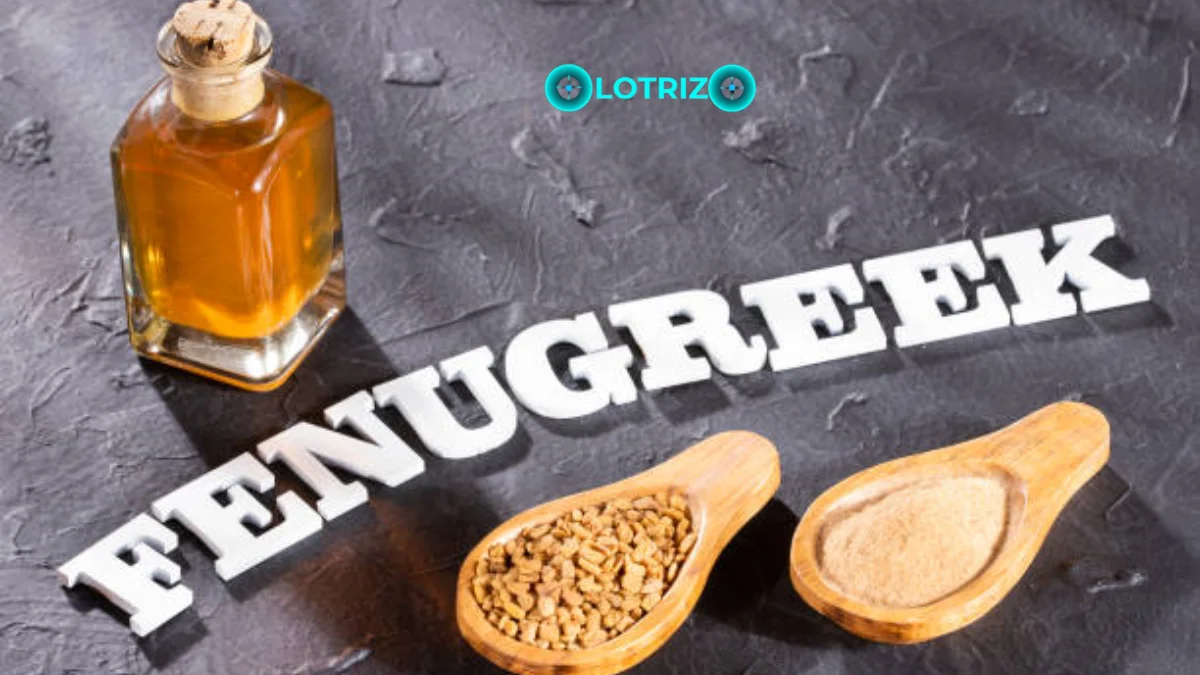
Have you ever heard of foenegriek? This ancient herb, also known as fenugreek, is a powerhouse packed with health benefits. From enhancing digestion to balancing hormones and promoting luscious hair growth, it’s no wonder that this little seed has been cherished for centuries. Whether you’re looking to improve your overall wellness or simply curious about natural remedies, foenegriek might just be the answer you’ve been searching for. Dive into the world of this remarkable plant and discover how it can transform your health in various ways.
History and Origins of Foenegriek
Foenegriek, or fenugreek in English, has a long and storied history spanning several millennia. This herb has deep roots in ancient civilizations, particularly in the Mediterranean region and Asia.
Records indicate that it was cultivated by the Egyptians as far back as 1500 BCE. They revered foenegriek for its medicinal properties and included it in their ritualistic practices.
In India, it’s been an integral part of Ayurvedic medicine for centuries. Traditional practitioners valued its ability to aid digestion and promote overall health.
The Greeks and Romans also utilized foenegriek extensively—both as a culinary spice and for various health benefits. Its versatility made it popular across different cultures.
Today, this humble yet powerful herb is celebrated worldwide for its numerous health advantages while remaining deeply tied to its historical roots.
Nutritional Value and Health Benefits
Foenegriek, also known as fenugreek, is a nutrient powerhouse. Packed with vitamins A, C, and B6, it offers essential antioxidants that support overall health.
This herb contains minerals such as iron, magnesium, and manganese. These nutrients contribute to stronger bones and improved energy levels.
The dietary fiber found in foenegriek aids digestion by promoting gut health. It can also help regulate blood sugar levels.
Additionally, the presence of phytonutrients supports hormonal balance. This makes foenegriek particularly beneficial for women’s health issues.
Rich in protein content too, it assists muscle recovery and growth for those looking to enhance their fitness regime.
Incorporating foenegriek into your diet not only adds flavor but provides an array of vital nutrients that your body craves for optimal functioning.
Improving Digestion with Foenegriek
Foenegriek, also known as fenugreek, is a valuable herb for enhancing digestive health. Its high fiber content plays a crucial role in promoting regular bowel movements. This can help alleviate constipation and maintain overall gut wellness.
The seeds are rich in compounds that promote the secretion of digestive enzymes. These enzymes break down food more efficiently, leading to better nutrient absorption. A well-functioning digestive system can significantly improve your energy levels and mood.
Additionally, foenegriek has natural anti-inflammatory properties. It helps soothe gastrointestinal discomforts such as bloating or gas. Incorporating this herb into meals may provide relief from these common issues.
For those seeking to enhance their digestion naturally, foenegriek offers an accessible solution worth considering. Whether consumed in teas or sprinkled on dishes, its benefits are easily harnessed within a balanced diet.
Balancing Hormones with Foenegriek
Foenegriek has gained attention for its potential to help balance hormones naturally. Rich in phytoestrogens, it mimics estrogen in the body, which can be particularly beneficial for women experiencing hormonal fluctuations.
Studies suggest that foenegriek may alleviate symptoms associated with menopause and menstrual irregularities. By supporting estrogen levels, it aids in reducing hot flashes and mood swings.
For men, this herb can also play a role. It’s believed to enhance testosterone production, potentially improving libido and overall vitality.
The anti-inflammatory properties of foenegriek contribute further to hormone regulation by promoting a healthy endocrine system. This holistic approach ensures your body functions optimally while minimizing stress on hormonal pathways.
Incorporating foenegriek into your daily routine might just be the natural support you need for balanced hormones.
Promoting Hair Growth and Health
Foenegriek, or fenugreek, is gaining attention for its potential to enhance hair growth and overall scalp health. This ancient herb is packed with nutrients that nourish hair follicles.
Rich in vitamins A, C, and K, foenegriek supports the strength and vitality of your locks. Additionally, it contains essential minerals like iron and magnesium that promote circulation to the scalp.
The high protein content can help repair damaged strands while preventing hair loss. Many people use foenegriek seeds as a natural conditioning treatment too. When applied topically as a paste or an oil infusion, it moisturizes dry hair and enhances shine.
Regular use may also reduce dandruff due to its antifungal properties. By incorporating this powerful ingredient into your routine, you can stimulate growth while maintaining healthy tresses effortlessly.
Incorporating Foenegriek into Your Diet and Daily Routine
Foenegriek can be easily integrated into your diet in various delicious ways. One popular method is to add the seeds to smoothies, lending a nutty flavor and an extra health boost.
You can also sprinkle ground foenegriek over salads or mix it into yogurt for added texture and taste. This simple addition not only enhances the meal but infuses it with beneficial nutrients.
Cooking with foenegriek is another delightful option. Incorporate it into curries or stews for depth of flavor while reaping its digestive benefits.
For those who prefer herbal remedies, brewing foenegriek tea offers a soothing experience that promotes digestion and balances hormones as well.
Experimenting in the kitchen can make incorporating this powerful herb both enjoyable and rewarding!
Potential Side Effects and Precautions
While foenegriek offers numerous benefits, it’s important to approach its use with caution. Some individuals may experience gastrointestinal discomfort, such as bloating or diarrhea. These effects may differ depending on an individual’s sensitivity.
Additionally, foenegriek has blood-thinning properties. If you are taking anticoagulant medications or have a bleeding disorder, it’s wise to consult a healthcare professional before incorporating it into your routine.
Pregnant and breastfeeding women should also exercise caution. Foenegriek might stimulate uterine contractions in high doses, posing risks during pregnancy.
Always start with small amounts when trying out new supplements like this herb. Monitoring how your body reacts will help you avoid any adverse effects while reaping the benefits of foenegriek.
Conclusion
Foenegriek, also known as fenugreek, offers a wealth of natural benefits that can enhance your health and well-being. Its long history traces back to ancient civilizations where it was revered not only for its culinary uses but also for its medicinal properties. Today, we recognize foenegriek as a nutritional powerhouse packed with vitamins, minerals, and antioxidants.
The digestive benefits of foenegriek are particularly impressive. It aids in relieving digestive issues such as bloating and indigestion while promoting healthy gut function. Incorporating this herb into meals or taking it as a supplement could bring relief from common gastrointestinal discomforts.
Balancing hormones is another area where foenegriek shines brightly. Studies suggest it may help regulate estrogen levels and improve hormonal imbalances related to conditions like PCOS (polycystic ovary syndrome). This makes it an excellent addition to the daily regimen of those seeking hormonal harmony.
Hair health is yet another benefit linked with foenegriek’s consumption. Rich in nutrients that promote hair growth and strengthen strands, it’s becoming increasingly popular in hair care formulations. Whether consumed or applied topically as oil or paste, foenegriek’s has the potential to enhance hair vitality.
Incorporating foenegriek’s into your diet can be simple; consider adding seeds to smoothies or using powdered form in cooking for added flavor and nourishment. However, be mindful of potential side effects such as allergic reactions or gastrointestinal distress if consumed excessively.
Embracing the age-old wisdom surrounding foenegriek’s might just lead you on a path toward improved digestion, balanced hormones, and luscious locks making this humble herb worth considering in your wellness journey.
Introduction to IoB (Internet of Bodies)
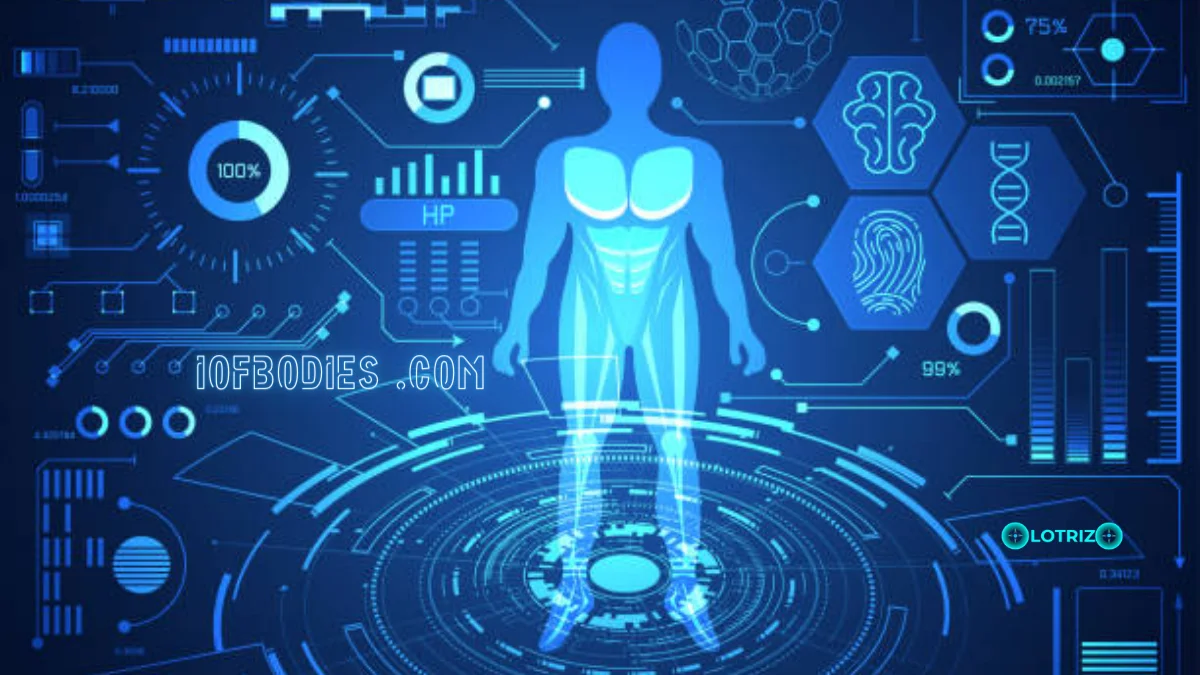
In a world increasingly intertwined with technology, the Internet of Bodies (IoB) is emerging as a fascinating frontier. Imagine a realm where human bodies and digital devices merge seamlessly tracking our health, enhancing capabilities, and even connecting us in ways we never thought possible. As this innovative landscape unfolds, it’s essential to understand what IoB truly entails. From wearable tech that monitors vital signs to implants designed for improved functionality, the possibilities are both exciting and daunting. Join us as we dive into the intricacies of IoB systems, explore advancements in human technology, and discuss how you can navigate this evolving ecosystem safely while harnessing its potential benefits. Welcome to iofbodies.com your guide through the remarkable intersection of humanity and innovation!
Explaining the Concept of IoB Systems
The Internet of Bodies (IoB) represents a revolutionary intersection between technology and human biology. It involves devices that connect to the internet, tracking various aspects of our health and behavior.
These systems include wearables, implants, and even embedded sensors within the body. Each device collects data that can be analyzed for improving healthcare outcomes or personal wellness.
Imagine a world where your heart rate monitor shares critical information with your doctor in real-time. This seamless integration offers potential benefits such as early diagnosis and personalized treatment plans.
However, IoB is not limited to health applications alone. It extends into areas like security enhancements through biometric identification or smart home connectivity tailored to individual behaviors.
As we integrate these systems more into our lives, understanding their capabilities becomes essential for both users and developers alike.
Advancements in Human Technology for IoB
The landscape of human technology is rapidly evolving, particularly within the Internet of Bodies (IoB) framework. Wearable devices, such as smartwatches and health trackers, have become commonplace. They collect extensive data on our physical well-being.
Implantable technologies are also gaining traction. Devices like glucose monitors or neurostimulators provide real-time health insights right from inside the body. These innovations enable individuals to manage chronic conditions more effectively.
Moreover, advancements in artificial intelligence are enhancing IoB systems. AI algorithms analyze biometric data for predictive analytics, allowing for personalized healthcare strategies tailored to individual needs.
Robotics plays a pivotal role too. Robotic prosthetics and exoskeletons not only restore mobility but also enhance quality of life for users facing disabilities. As these technologies continue to develop, they promise greater integration into daily life while pushing the boundaries of what human bodies can achieve.
The Potential Risks and Concerns of IoB
As the Internet of Bodies (IoB) becomes more prevalent, potential risks and concerns emerge. One significant issue is data privacy. With devices tracking our health metrics, personal information can easily be exposed to unauthorized parties.
Security vulnerabilities pose another threat. Hackers could potentially access connected devices, leading to severe consequences for individuals’ wellbeing. Imagine a scenario where someone manipulates a medical device remotely.
Ethical dilemmas also arise with IoB technology. Questions about consent and autonomy need careful consideration as we integrate these systems into daily life.
Moreover, there’s the risk of dependency on technology for essential functions or decisions. This reliance might erode human capabilities over time.
Societal disparities may grow as access to IoB technologies remains uneven across different demographics. Those without resources may miss out on potential benefits while others thrive in an increasingly tech-driven world.
How to Protect Yourself from IoB Vulnerabilities?
Protecting yourself from IoB vulnerabilities requires a proactive approach. Start by understanding the devices you use and their data-sharing practices. Familiarize yourself with how these technologies interact with your body.
Regularly update software on all connected devices. Iofbodies .com updates often include security patches that address known vulnerabilities, keeping your information safer.
Utilize strong, unique passwords for each device and account. Consider using two-factor authentication when available to add another layer of defense against unauthorized access.
Be mindful of what personal information you share online or through apps linked to IoB systems. Limit access permissions wherever possible.
Consider investing in privacy-focused solutions like VPNs or encryption tools. They can help safeguard your digital footprint while navigating this ever-evolving tech landscape.
The Role of Government Regulations in IoB
Government regulations serve as a crucial framework in the development of Internet of Bodies (IoB) technologies. As these systems integrate more deeply into our lives, oversight becomes essential to ensure safety and ethical use.
Regulatory bodies must adapt quickly to keep pace with rapid technological advancements. This involves setting standards that protect user data while promoting innovation.
Consumer privacy is a primary concern. Regulations need to address how personal health information is collected, stored, and shared by IoB devices.
Moreover, governments have the responsibility to mitigate risks associated with cybersecurity threats. Ensuring robust security protocols helps build public trust in emerging technologies.
Collaboration between tech companies and regulators can foster an environment where both growth and safety coexist. iofbodies .com imperative for legislation to evolve alongside technology for effective governance in this dynamic landscape.
Conclusion: Embracing the Benefits while Being Mindful of Risks
The Internet of Bodies (IoB) signifies a groundbreaking change in the way technology integrates with and impacts our physical bodies. As advancements continue to unfold, the potential benefits are vast enhanced healthcare solutions, improved quality of life, and innovative applications that can change our daily experiences.
Yet, with these possibilities come significant risks. Privacy concerns and security vulnerabilities cannot be overlooked. The integration of IoB systems into everyday health management could expose sensitive data if not managed carefully. Awareness is key; being informed about the technologies we embrace allows us to navigate this exciting landscape more safely.
It’s essential to consider personal choices regarding IoB devices while staying updated on regulations that govern their use. Governments play a crucial role in establishing guidelines that protect individual rights within this evolving technological context.
Embracing the opportunities presented by iofbodies.com means also recognizing the need for caution as we move forward. Balancing innovation with responsibility will help shape a future where technology enhances human capability without compromising safety or privacy.

Tonghou: Exploring Culinary Greens and Scenic Taiwan Trails

DPSIT: Streamlining Data, Tasks, and Organizational Growth

3d659 com: Insights, Tutorials, and Reviews for Tech Enthusiasts

pg soft 100 juara100.org: Master Games with Medal Achievements

Tek-102: Future-Ready Tech for Homes, Businesses, and Industry
-

 Business5 months ago
Contact CrypticStreet.com: Secure and Smart DeFi Trading
-

 Entertainment6 months ago
هنتاوي.com: Arabic Hub for Anime, Manga, and Pop Culture
-

 Business7 months ago
Konversky Tech: Transforming Data into Business Success
-

 Business7 months ago
JonathonSpire: SEO & Marketing Tactics That Drive Real Results
-

 Fashion7 months ago
Tsunaihaiya: A Cultural Treasure Shaped by Centuries
-

 General7 months ago
Zuschneidfelle: Luxury Leather Born from Art and Tradition
-

 Technology3 months ago
567gk3: Exploring Its Use in Coding, Hashing, and Web Systems
-

 Entertainment7 months ago
HydraHD Free Movies: Stream HD Films Anytime, Anywhere